
Key EHS and Sustainability Regulatory Trends to Watch as 2026 Approaches
In This Article
- 1) Construction and high-risk work safety is shifting toward targeted enforcement and proof of effective controls
- 2) Environmental compliance is becoming more traceability-driven
- 3) Sustainability and climate reporting is converging toward recognised standards
- 4) AI is changing EHS compliance workflows, while increasing power, water, and e-waste pressure
- 5) Supply chain and financial pressure is turning ESG expectations into operational requirements
- Building confidence in compliance decisions for 2026 regulatory trends
Across Asia, environmental, workplace health and safety (EHS), and sustainability reporting requirements are tightening in ways that directly affect how organisations manage risk and make decisions. As 2026 approaches, regulators and stakeholders are placing greater emphasis on accountability, traceability, and the quality of information used to demonstrate compliance.
For EHS and compliance leaders, the challenge is no longer awareness alone. It is staying current with regulatory change, applying obligations consistently across jurisdictions, and having confidence that decisions can withstand regulatory review, certification checks, and external scrutiny.
The following five regional 2026 regulatory trends are shaping EHS and sustainability expectations across Singapore, Malaysia, Indonesia, Hong Kong, and Vietnam.
1) Construction and high-risk work safety is shifting toward targeted enforcement and proof of effective controls
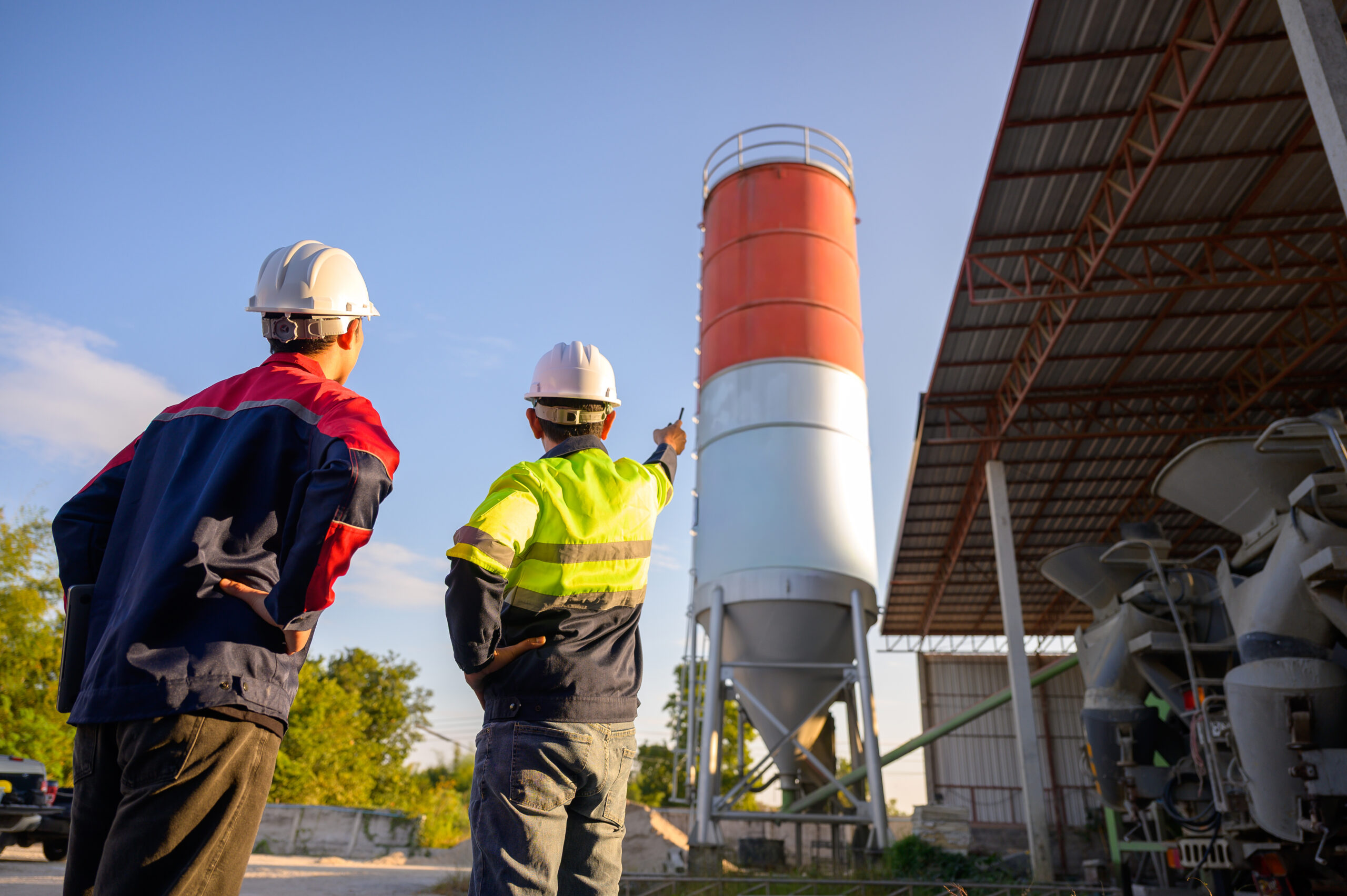
Construction, maintenance, and other high-risk activities are receiving renewed regulatory attention across the region. Rather than relying solely on routine inspections, regulators are increasingly focusing on targeted enforcement campaigns aimed at known risk areas such as work at height, scaffolding, lifting operations, and fire risks during renovation works.
This reflects a broader shift in how workplace safety laws are applied. Core legislation such as Singapore’s Workplace Safety and Health Act, Hong Kong’s occupational safety and health ordinances, and Malaysia’s occupational safety framework are being enforced with greater emphasis on whether risks were properly anticipated and controlled in practice. There is also a growing expectation that safety risks are addressed earlier in the project lifecycle. Developments in construction safety regulation reinforce the principle that risk management starts at planning and design, not only on site execution.
Looking ahead to 2026, organisations involved in construction or high-risk work should expect closer scrutiny on how safety controls are implemented, supervised, and reviewed.
2) Environmental compliance is becoming more traceability-driven
Environmental regulation across the region is increasingly focused on accountability throughout the lifecycle of materials and activities. Waste management, hazardous substances, and producer responsibility requirements are moving in the same direction: clearer traceability and clearer ownership of obligations.
Frameworks such as Vietnam’s Law on Environmental Protection and its Extended Producer Responsibility (EPR) regime, as well as Indonesia’s evolving controls on hazardous substances and waste, reflect this shift. While the details differ by market, the underlying expectation is consistent.
Organisations are expected to understand where materials go, who is responsible at each stage, and what records demonstrate compliance. This applies not only to internal operations, but also to contractors and downstream handlers.
As requirements continue to evolve, misinterpreting or overlooking environmental obligations presents a growing compliance risk.
3) Sustainability and climate reporting is converging toward recognised standards
Sustainability reporting expectations across Asia are increasingly shaped by internationally recognised frameworks, particularly the ISSB Standards (IFRS S1 and IFRS S2). Stock exchanges and regulators in markets such as Hong Kong, Malaysia, and Singapore are aligning local disclosure requirements to these standards, even where implementation timelines differ.
Climate-related disclosures are a central focus. Emissions data, energy use, and environmental performance metrics are becoming more visible to boards, investors, and regulators. External initiatives such as the EU’s Carbon Border Adjustment Mechanism (CBAM) are also influencing expectations, particularly for exporters and companies with cross-border supply chains.
As a result, EHS data that feeds into sustainability reporting is under greater scrutiny. Informal data collection methods that once passed internal review are increasingly difficult to defend when disclosures are examined externally.
4) AI is changing EHS compliance workflows, while increasing power, water, and e-waste pressure
AI and automation are increasingly used to support EHS work, including document control, inspection follow-up, incident trend analysis, and faster review of corrective actions. This can improve consistency and speed, but governance still matters. Decisions must remain reviewable, with clear accountability and records that explain why actions were taken.
At the same time, AI adoption is driving real-world environmental pressures through data centre growth. Southeast Asia has seen these constraints before. Singapore paused new data centre development in 2019 when resource demand outpaced what could be sustainably supplied, and Malaysia is moving toward tighter water use controls as shortages intersect with new data centre demand. As AI scales, the push for lower-water cooling, renewable energy supply, and grid upgrades will accelerate, while e-waste will remain a hard issue that requires investment in recycling and disposal.
2026 impact: expect stronger expectations for AI-supported compliance processes to be auditable, and sharper scrutiny of energy, water, and e-waste management linked to AI infrastructure.
5) Supply chain and financial pressure is turning ESG expectations into operational requirements
Beyond formal regulation, external pressure is playing a growing role in shaping EHS compliance. Customers, lenders, and investors increasingly expect credible evidence of environmental and safety performance as part of commercial and financial decision-making.
Requirements linked to sustainable finance, responsible sourcing, and climate risk management often mirror regulatory obligations, even where local laws are less explicit. In practice, this means organisations may be assessed against standards set by global markets rather than domestic regulators alone.
For regional operations, this reinforces the need for consistency in how regulatory obligations are understood and applied.
Building confidence in compliance decisions for 2026 regulatory trends
Taken together, these trends point to a common need. Compliance leaders must be confident that obligations are current and correctly interpreted, that EHS and sustainability information is reliable enough to support decisions, and that the organisation is not carrying avoidable regulatory risk because requirements are tracked inconsistently.
This is where SimplyEHS serves as a reliable compliance reference for local and regional organisations. As ESC’s compliance product, it supports audits, ISO-aligned management system checks, and day-to-day decision-making by helping teams stay clear on applicable obligations and reduce regulatory risk. Many organisations strengthen this foundation through an EHS legal register, providing a structured way to track obligations and support consistent compliance across markets.
As 2026 approaches, organisations that invest in regulatory awareness and disciplined compliance practices will be better placed to respond to scrutiny and maintain credibility across the region.